

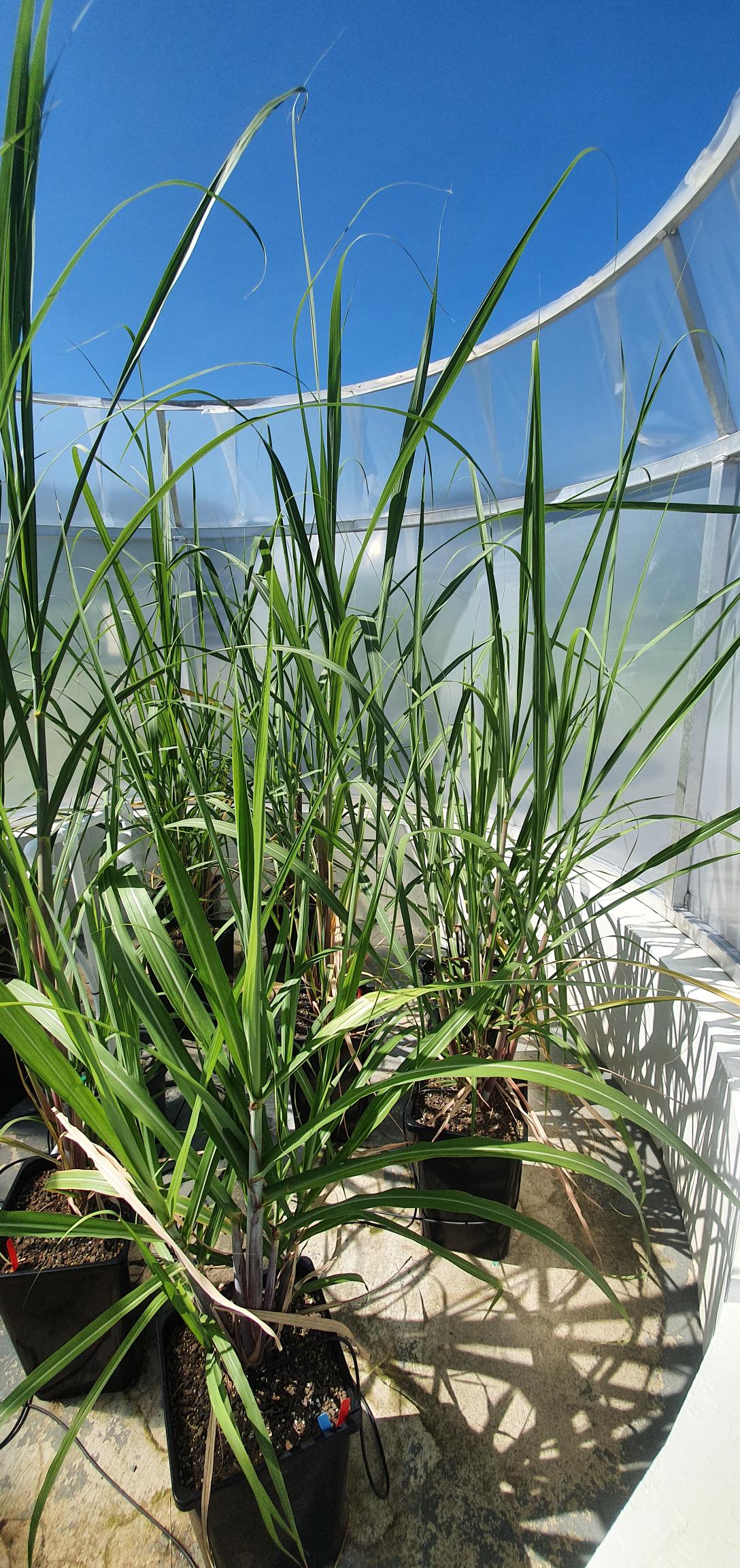

- Saccharum officinarum (Sugarcane)
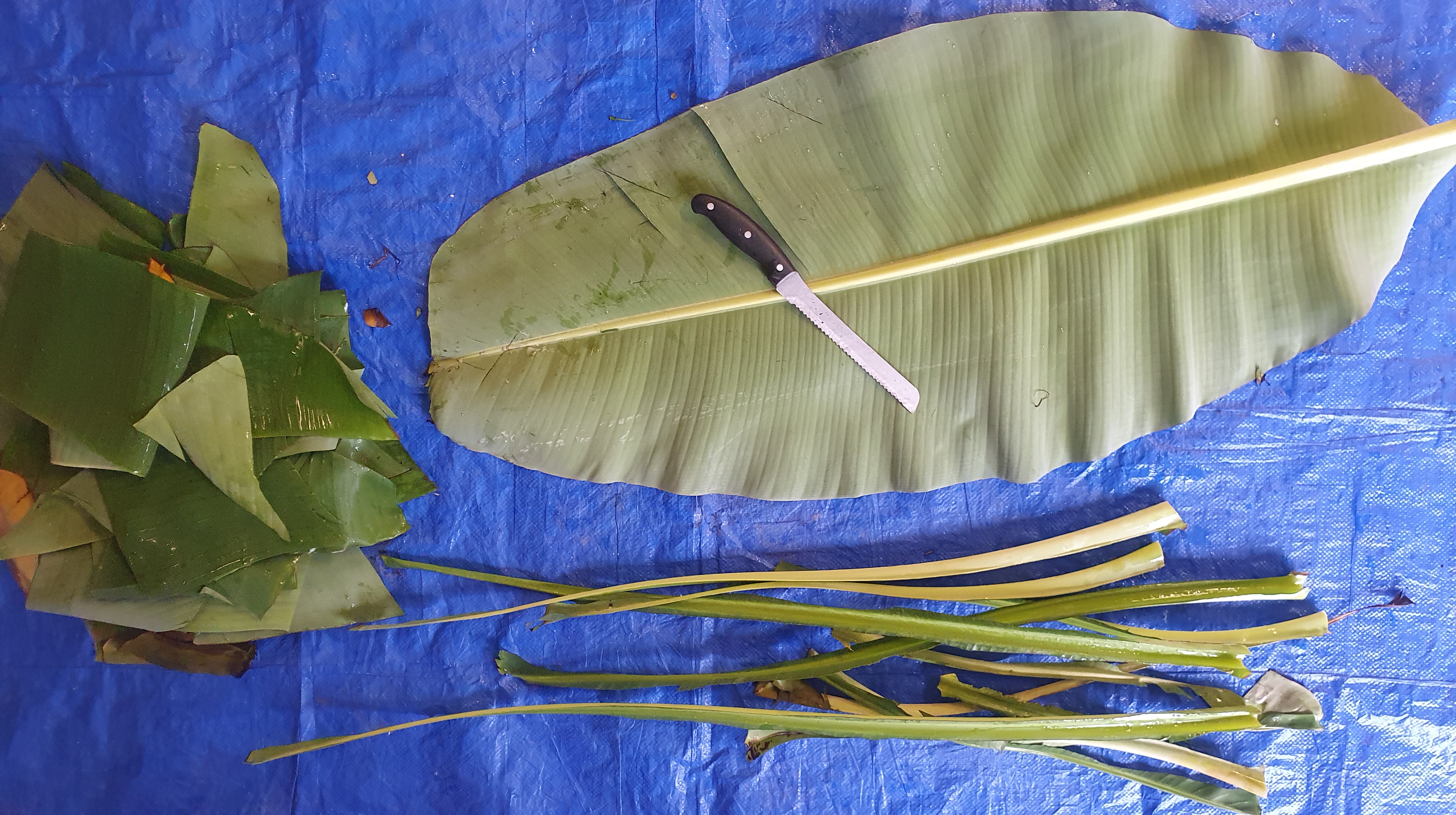
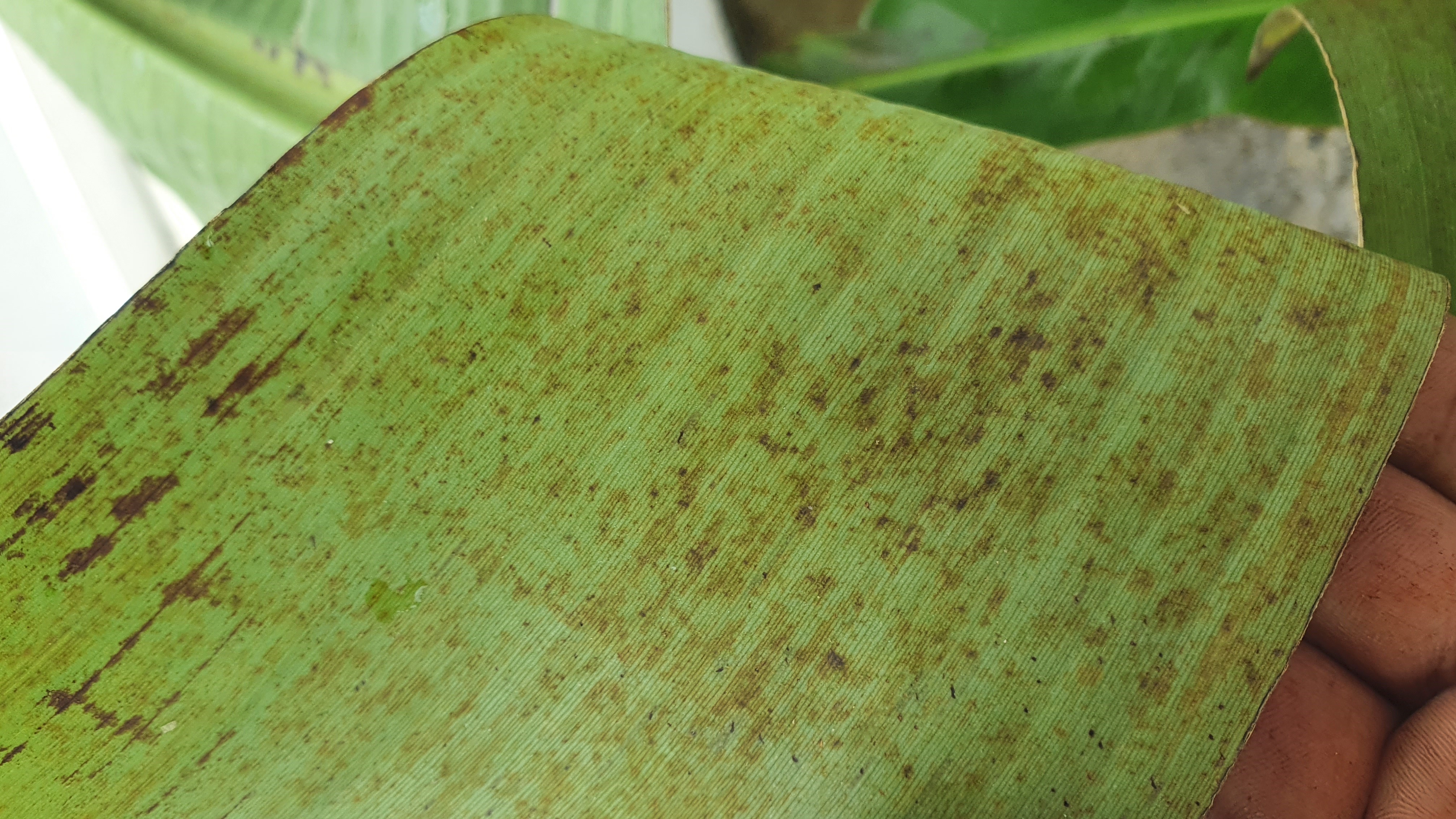
- Musa acuminata (Banana)
- Elaeis guineensis (Oil Palm)
- Sorghum bicolor (Sorghum)
- Theobroma cacao (Cacao tree)
Across studies to date, 90% of crop species screened have shown O3 sensitivity, and the impacts of O3 damage (the O3 yield gap) can be extensive, with a global analysis by Mills et al (2018) suggesting losses of up to 12.4% in global soybean production.
Historically there has been a bias towards studies on O3 sensitivity in Temperate crop species. However, across much of the tropics the rise in O3 concentrations due to land use change may be leading to substantial and currently unrecognized losses.
As part of TropOz we are working on identifying the O3 sensitivity of a number of important commercial and subsistence tropical crops. Working with collaborators in Panama, Malaysia and Brazil to model the consequences of changes in air quality on the O3 yield gap.
Mills, G., et al. 2018. Closing the global ozone yield gap: Quantification and cobenefits for multistress tolerance. Global Change Biology; 24: 4869– 4893.
 TropOz